With 2026 well underway, Champalimaud Design reflects on the evolving interior design landscape, offering insights and predictions for the year ahead.
The Return of the Hand: Craft, Localism and Bespoke Making
After a decade defined by speed, efficiency and digital precision, luxury design is shifting back toward what feels considered and authentic. Across Champalimaud Design’s portfolio, bespoke and hand-made craft continues to shine as a defining marker of quality. Brands, clients and visitors are increasingly drawn to pieces with provenance: work shaped by regional knowledge, cultural specificity and the subtle irregularities that reveal a maker’s authorship. This commitment is threaded throughout the studio’s 2026 projects. At the upcoming St Regis Bali, Principal Courtney Brannan notes that “85-90% was made or sourced in Indonesia”, spanning local stonework, custom furniture and regionally produced textiles. Collaborations with artisans such as Gaya Ceramics, who crafted bespoke tiles, planters and tabletops, reinforce the belief that locality is not a constraint but a strategic advantage.
Stateside, the focus on provenance remains central. For an Upper West Side penthouse, all hardware is being hand-cast at P.E. Guerin, the storied West Village foundry.
Bespoke making continues to define the studio’s process. Custom murals, sculptural lighting, carved stone and layered flooring patterns give each project a distinctive imprint. As Partner Winston Kong notes: “Durability in bespoke pieces and collaboration with artisans make an impact.”
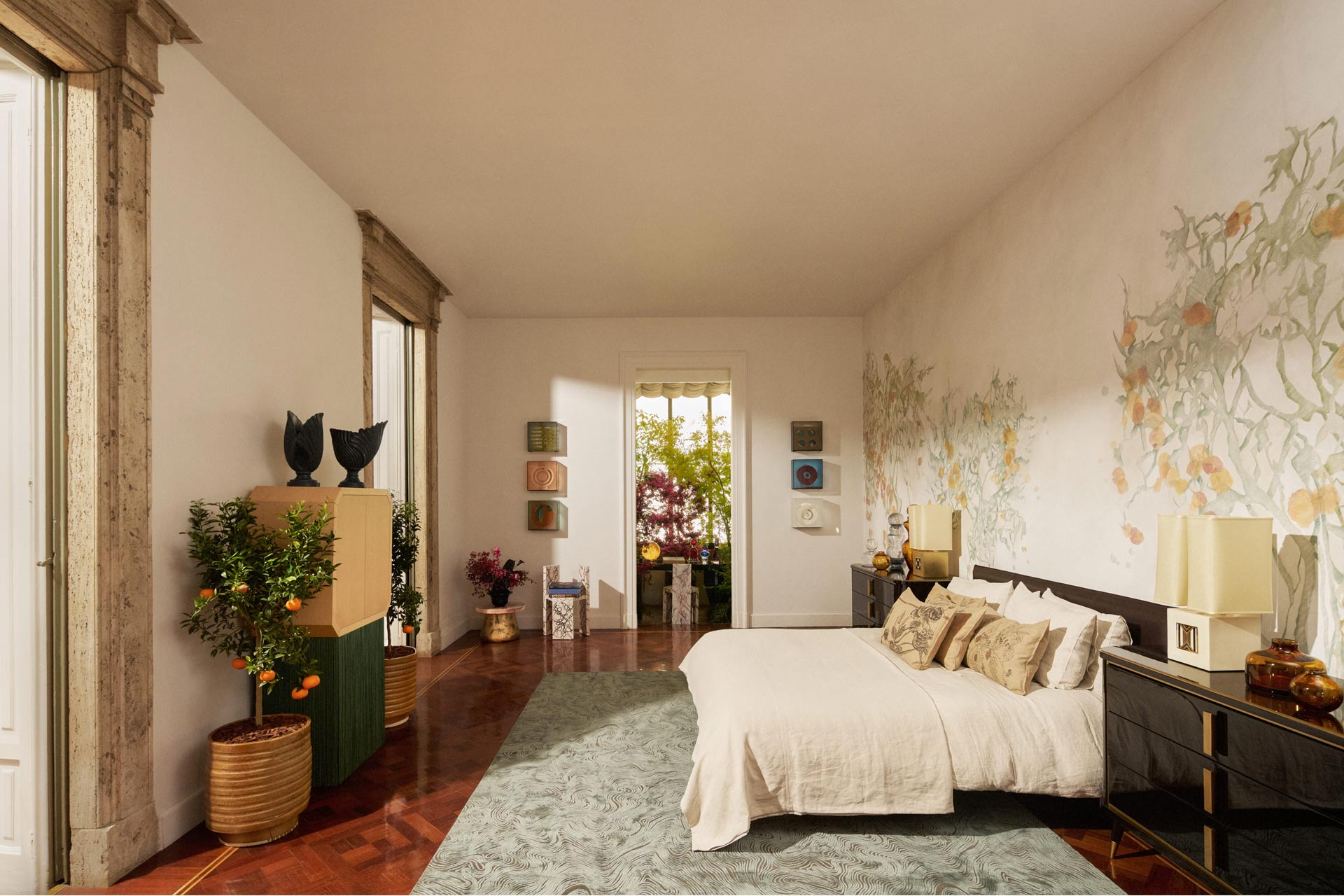
Last year Champalimaud Design was invited by Artemest, the online destination for artisan crafted Italian furniture and home décor, to participate in the brand’s third edition of its L’Appartamento at Milan Design Week. This marked the first time the studio has presented at the design event and saw them transform the bedroom within Palazzo Donizetti, a 19th-century architectural masterpiece located in Via Gaetano Donizetti 48, as part of the exhibition. Inspired by the glamour of 1960s Italian cinema, the studio envisioned The Bedroom as a sensuous and playful retreat, curating furniture, lighting, home décor and art from Artemest’s finest artisans, brands, and artists.
As the desire for authenticity, locality and emotional resonance reshapes the luxury landscape, the handmade becomes an essential way to provide character to heritage projects and anchor contemporary
Wellness Becomes the Baseline and Longevity as Design Logic
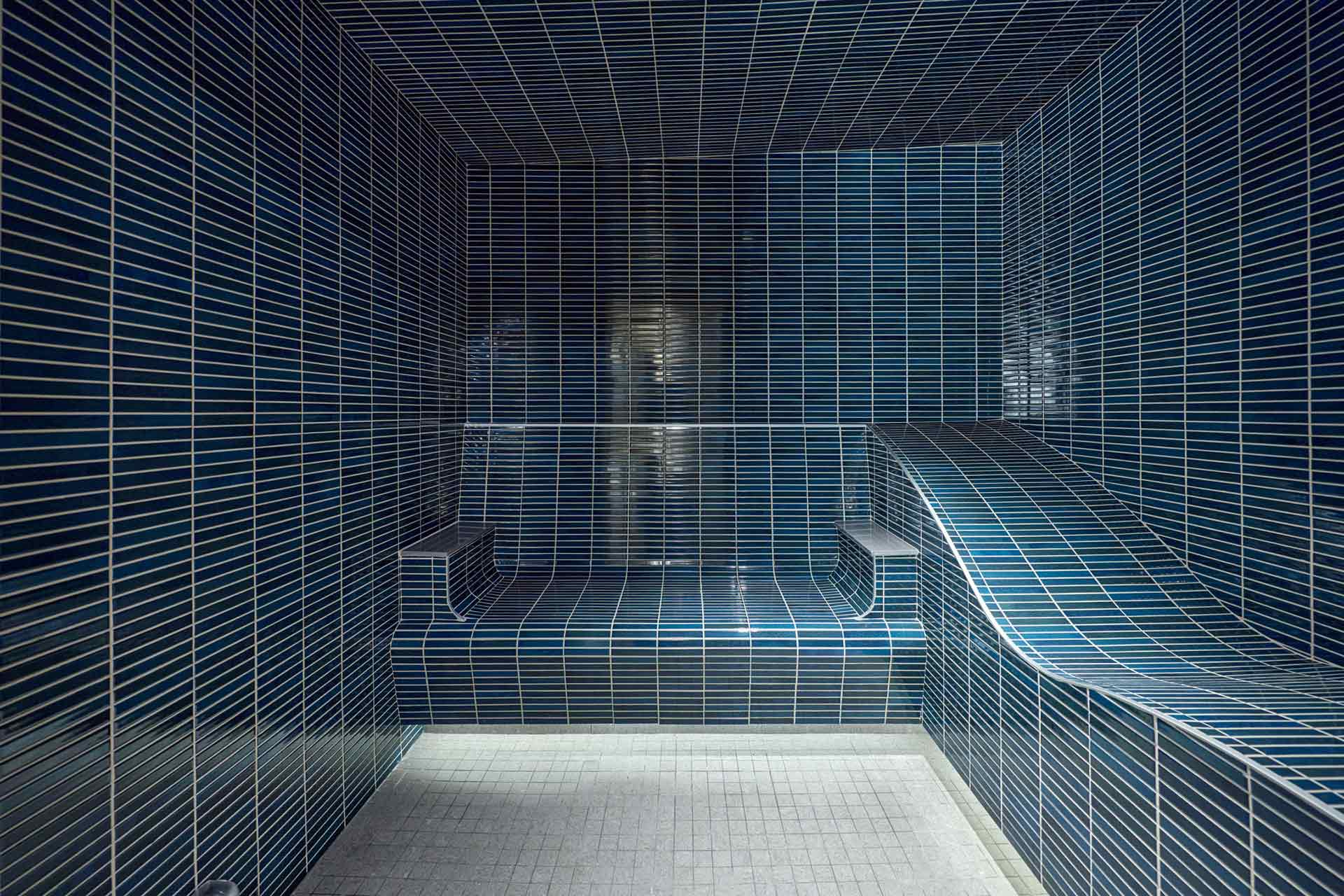
As global wellness tourism approaches a projected $1.4 trillion by 2027, wellbeing has moved from a luxury add-on to a core expectation. “Wellness is now assumed, it’s just part of the baseline,” notes Brannan. For Champalimaud Design, this shift is not about piling on amenities but rethinking how spaces are conceived from the start. Wellness becomes a guiding framework that shapes light, materials, colour, circulation and the overall sensory atmosphere.
This approach is visible in the new Bathhouse at Belden House & Mews, envisioned as a quiet counterpoint to the estate’s historic architecture. Mineral bathing rituals, warm natural finishes, and intentional colour palettes demonstrate how restoration can emerge through design rather than technology. The Bathhouse favors tactility instead of spectacle, creating a space that calms the nervous system and encourages a slower, more grounded rhythm.
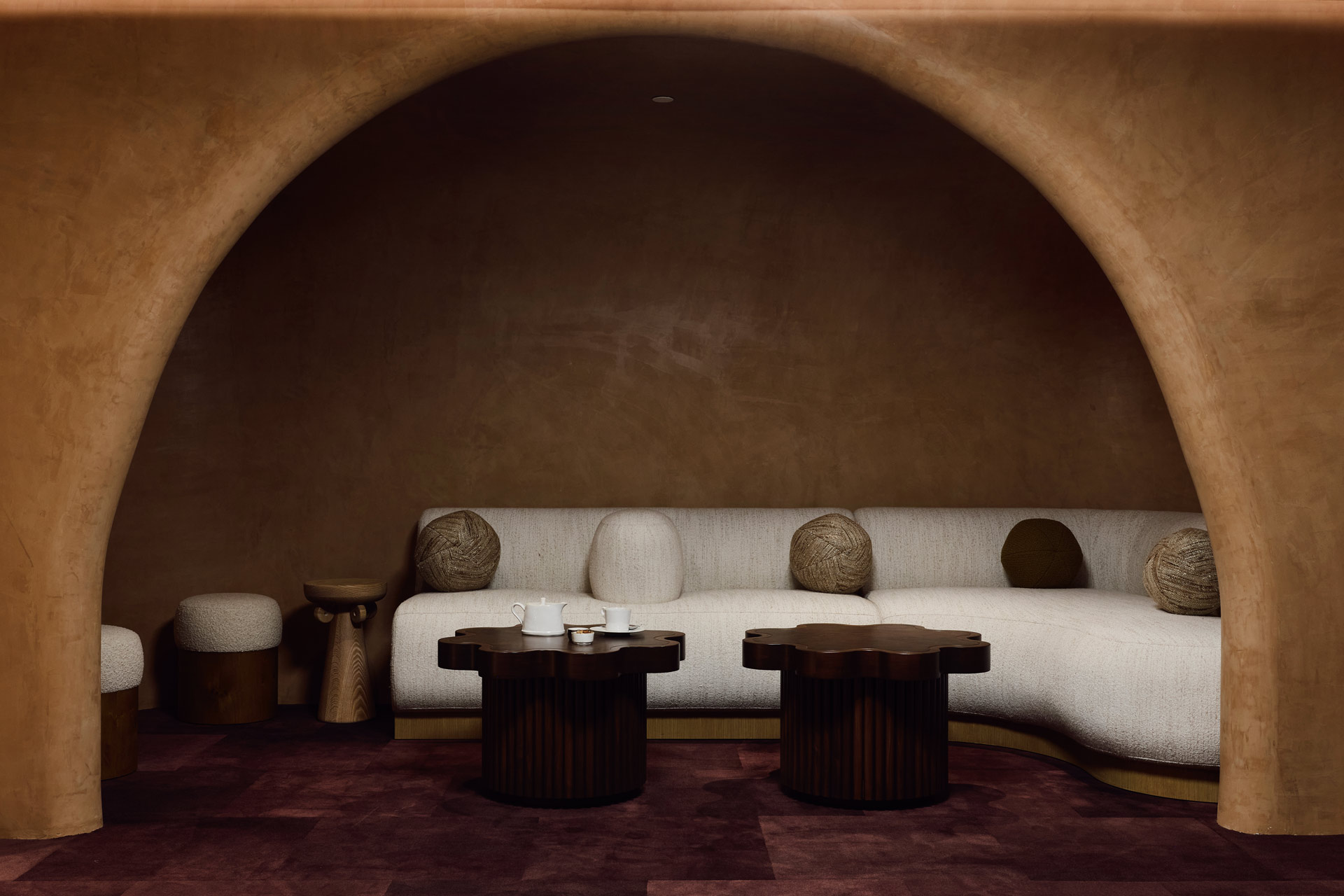
The recent transformation of The Ritz-Carlton, Grand Cayman Spa carries this sensibility forward. The nearly 20,000-square-foot space begins with a garden-inspired arrival and unfolds through soft transitions, natural materials and an intentional hush. The design draws inspiration from Caymanite, a semi-precious stone found only in the Cayman Islands, whose earthy tones of clay, coral, red, brown and white echo the island’s natural palette. Its organic striations also reflect the fluid shapes and vibrant movement of the coral reefs beneath the island, while the lush, endemic flora informs the project’s botanical layers. Artwork by Caymanian artists roots the experience in local culture and strengthens the emotional connection between guest and place. The design encourages immediate immersion so the feeling of restoration comes naturally; with guests beginning their journey along an interior corridor that transitions seamlessly to the outdoors, guided by a wraparound mural depicting local flora and fauna in shades of green, blue, and orange, while limewash-painted curved walls add depth and softness, enveloping guests in a palette reminiscent of Caymanite.
At Four Seasons Naples Beach Club, wellness takes centre stage at the Sanctuary Spa, a two-level serene space designed to restore, energise, and uplift. As CEO and Partner Ed Bakos highlights: “The spa at Naples Beach Club is very aquathermal focused, which I think is ahead of the curve. The big focus around the aqua aspects and the communal elements of the spa make it really interesting, we’ve blended the traditional spa with sports medicine offerings, to give a more elevated experience.”
With 13 treatment rooms including three spacious VIP suites, the spa offers a deeply personalised menu of therapies inspired by the natural elements. At its heart is an inclusive thermal circuit designed for shared rejuvenation and connection with aromatherapy steam rooms, Finnish saunas, vitality pools, cold plunge zones, and experiential showers. There is also a 75-foot rooftop lap pool, with views of the lush golf course, and a 24-hour fitness centre, developed in collaboration with celebrity trainer Harley Pasternak, providing cutting-edge equipment, dynamic programming, and personal training. Guests and visitors want wellness spaces that support their full lifestyle, from movement to mindfulness and recovery, and as Bakos notes, this particular spa is “interesting because it’s both social and it’s rejuvenating”.
These wellness practices extend into everyday spaces. Principal Jun Chun shares that guestrooms are increasingly planned to support personal rituals, with flexibility for stretching, yoga or quiet practice. Bathrooms emphasise layered water experiences that elevate daily routines, while fitness areas lean toward a warmer, more residential character. The aim is to support well-being throughout the day rather than reserving it for defined “wellness moments”.
Looking ahead, Partner Winston Kong expects longevity to play an even stronger role in shaping hospitality design. “Wellness will continue, with more longevity thinking,” he says. “Everyone wants to live forever.” Chun adds that regenerative ideas, including stem-cell-inspired programming, IV therapy rooms and digital detox spaces, may begin influencing how environments are planned. Although forward-looking, these concepts reveal a demand for settings that support lasting vitality, not only short bursts of rejuvenation.
Wellness is no longer a dedicated category or zone – it now forms the foundation of contemporary luxury design, woven into planning, materials, sensory cues, and the emotional life of a space.
Rich Neutrals, Dimensional Textures and Sculpted Surfaces
Champalimaud Design has always been committed to creating authentic and inspired products and in the past has worked with the likes of Charles Burnard Gallery, Visual Comforts, THG Paris and The Rug Company to name a few. Last summer, the studio introduced outdoor fabric offerings to its ongoing collaboration with Holland & Sherry, consisting of two new patterns, Comporta and Seia, along with new colours in existing patterns Timor, Melinde and Benin. The outdoor fabrics were inspired by founder and President Alexandra Champalimaud’s home country of Portugal, with the designs capturing the country’s natural beauty and lived traditions through tasteful and context rich patterns and colours; such as the charm of traditional woven blankets from the Alentejo region. Champalimaud comments: “Portugal, in its timeless beauty, has inspired much of how I see the world and therefore how I design. In our new collection, we honour its charm through the strong character of the fabrics, and the genuine history each pattern evokes. The feeling is personal yet confidently woven into a room. I hope our collection communicates the special lifestyle, where time seems to stand still, that has kept me falling in love with my home.”
Champalimaud Design infuses its expertise not only through interior design, but also in its product offering, an extension of the studio’s ethos – composing elevated environments and pieces by culling the soul and individual character of each project, through intuitive application of colour and texture coupled with a seasoned understanding of the principles of classic design.
“What is driving our approach towards our projects and how one lives in general has to do with the choreography of movement between spaces,” reflects Ed Bakos. “When it comes to the studio’s product development, such as the fabrics this year and last and the upcoming collections, these lie close to our central DNA – an integrated vision that stems from our point of view about how one lives. Our work weaves modernity in terms of how things are made and how we bring craft and relevance into our projects, focused around ideas about comfort, service and bespoke design.”
The studio follows this intentional approach when it comes to the colour, materiality and pattern choices throughout projects. The principals have shared their predictions for those that will dominate next year; Matoula Karagiannis has noticed “more layered design is emerging, with people stepping away from the minimal aesthetic. This doesn’t necessarily mean I think maximalism is what will come back in a huge way in 2026, but I think people are craving projects that feel more raw.”
This is echoed by Jun Chun who believes, “Texture layering is important. Materials are becoming more three-dimensional – carved, leather-finished, woven. Even simple materials now have dimension. You see a lot of bas-relief details lately,” and added that he thinks “purple or fuchsia in a deeper, more muted way will come back next year”. Partner Winston Kong ensures that colour choices are considered and that it’s applied “only when it is site, culture, project and committee-specific” to achieve enduring design.
Alone Together: Evolving Guest Behaviour and Hybrid Social Spaces
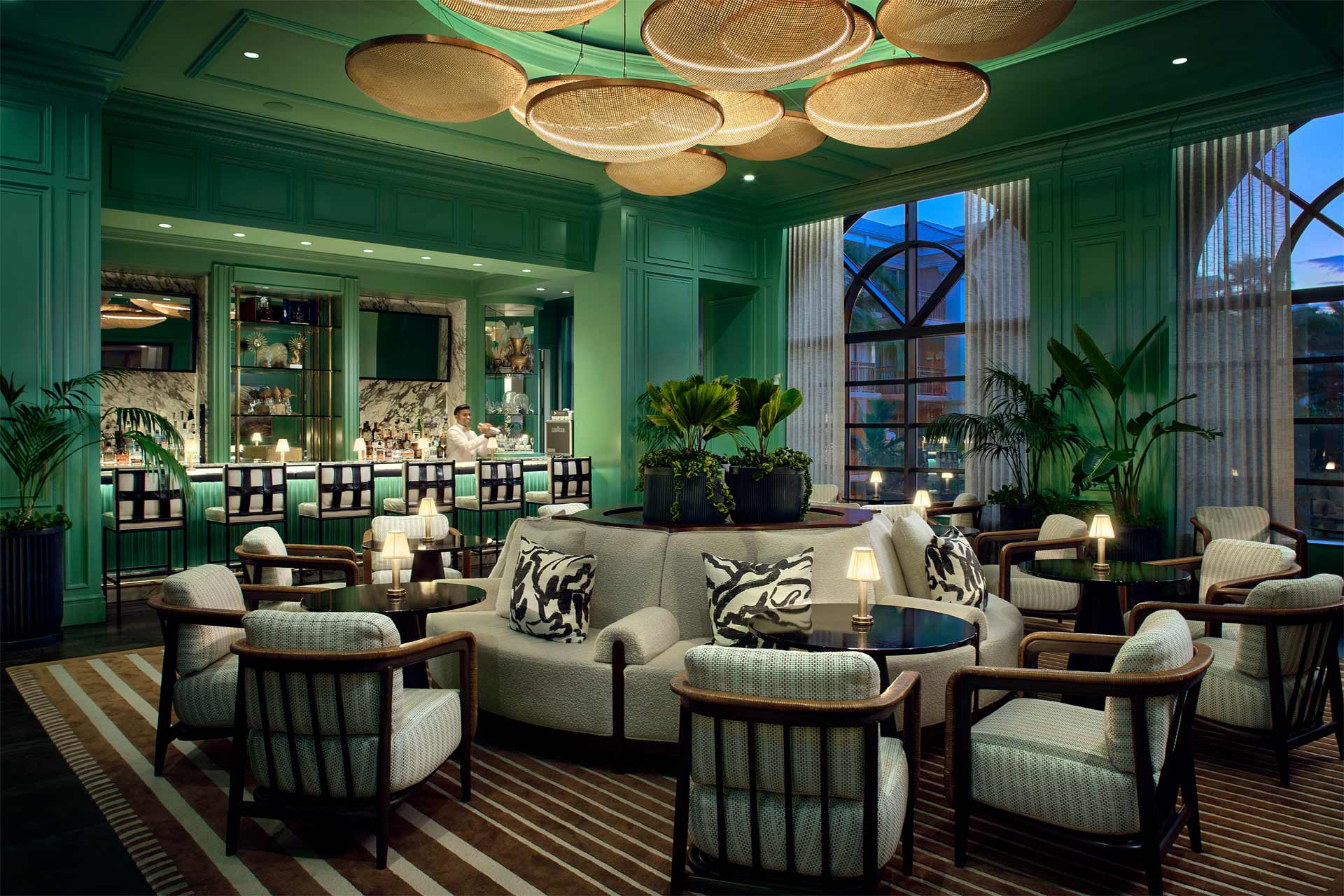
Guest behaviour has shifted in recent years, reshaping how hospitality environments support both connection and retreat. As Partner Winston King observes, people increasingly want to be “alone but not lonely” – to feel present within a social atmosphere while maintaining control over their level of interaction. This idea is redefining how lobbies, lounges and public spaces function, reflecting a broader shift toward environments that feel approachable, hence why Chun predicts a “movement toward softness in space – more rounded surfaces, not hard edges.” Karagiannis feels this is driven by UHNWs who are looking for “comfort, something that holds huge appeal, and this alongside accessible and intuitive design is seen as the pinnacle of luxury design”.
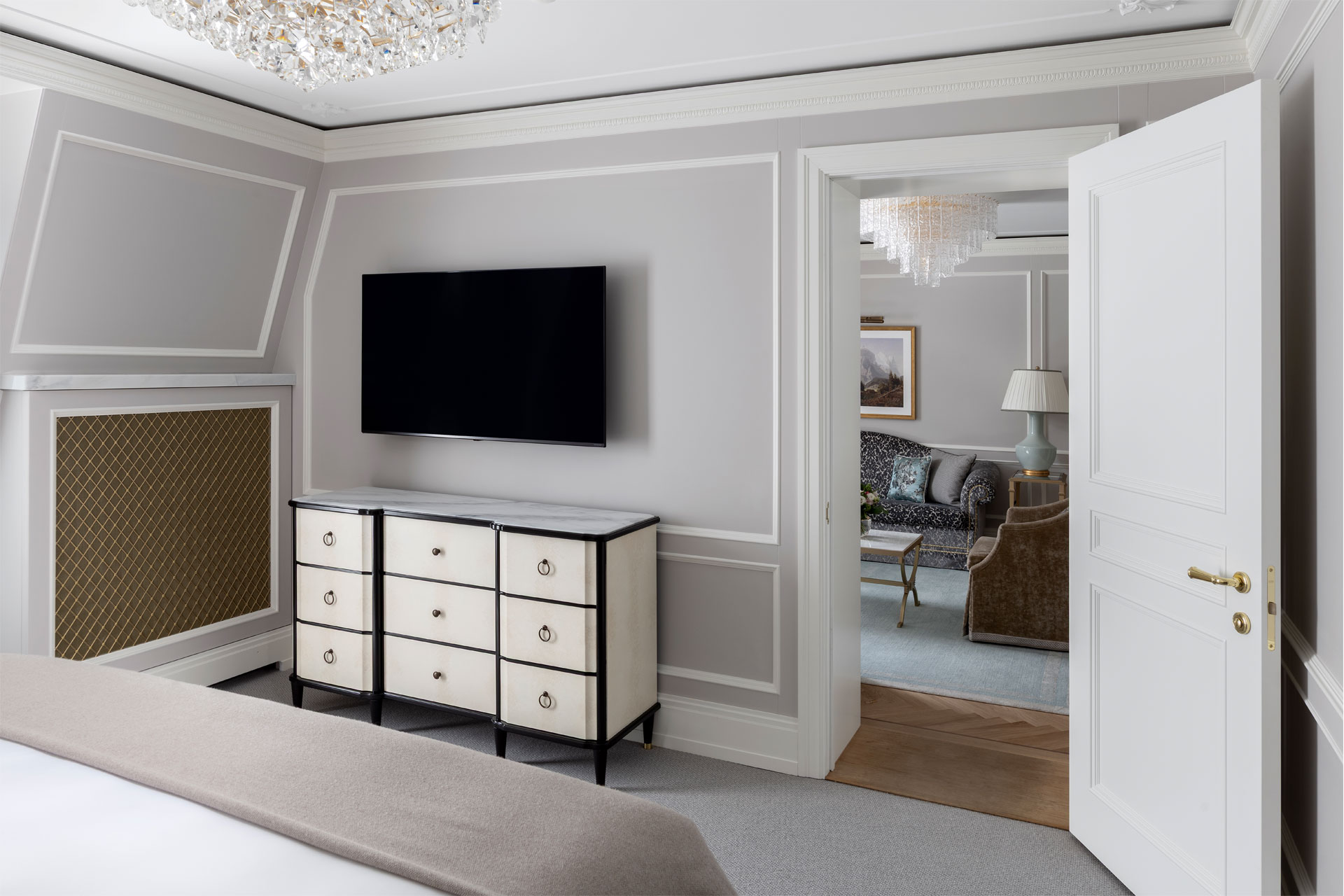
Champalimaud Design revisited a project this year, designing additional spaces at Badrutt’s Palace in St Moritz. Taking cues from the noble and stately spirit of the property, the studio honoured the rich cultural heritage of the hotel in the redesign of its top-floor accommodations. With today’s contemporary nomad in mind, the studio focused on creating inviting, layered and well-appointed spaces that celebrate a life well lived. Embracing craftsmanship and bespoke detailing, the guestrooms were designed with an air of restrained elegance, creating an escape within an escape. The suites make gentle nods to the hotel’s luxurious alpine surroundings with a palette of opulent creamy whites and shades of blue coupled with decadent embroidered fabrics and antiqued metallic accents.
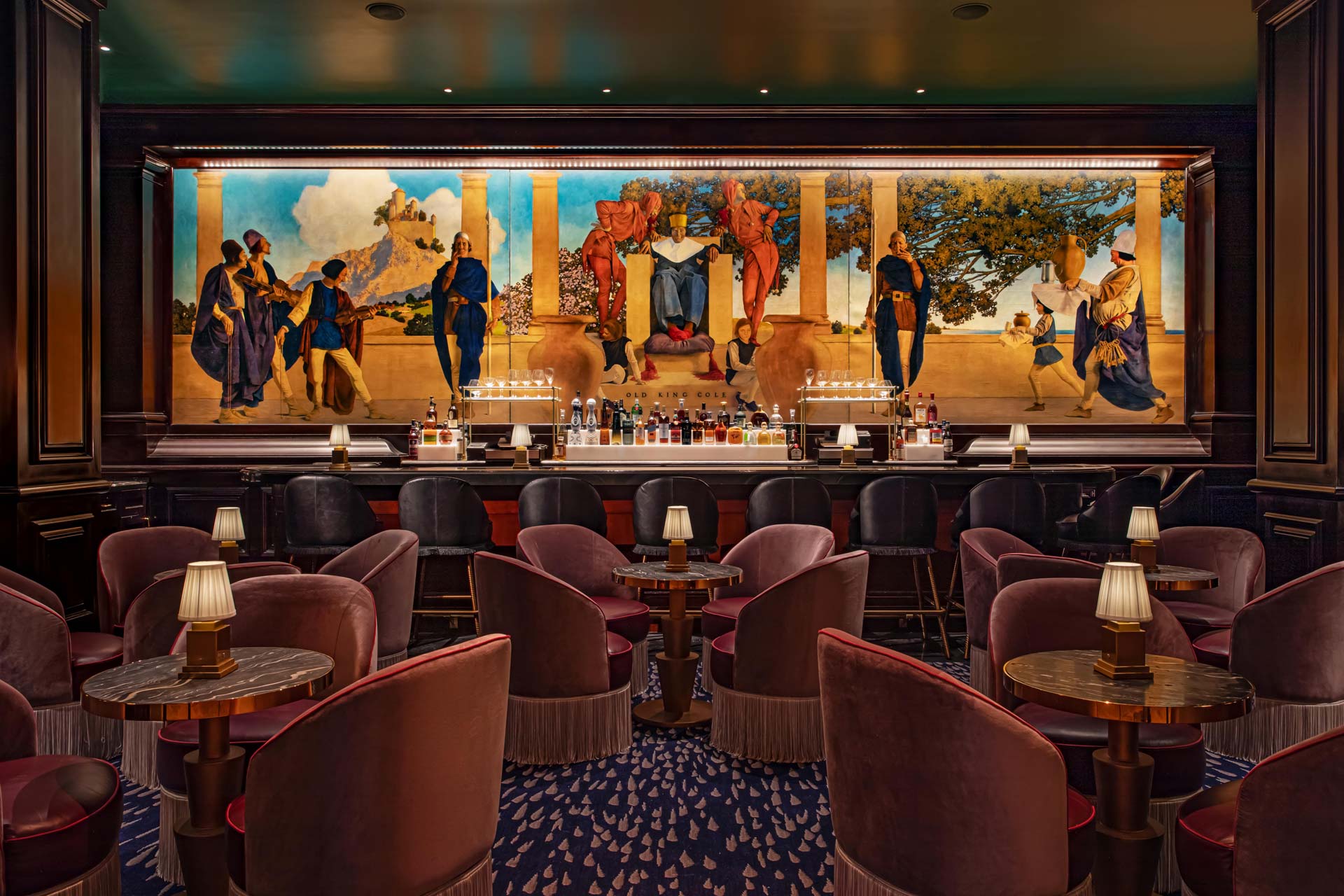
A similar sensibility guided the reimagining of The St Regis New York, where restoring the hotel’s iconic identity went hand-in-hand with creating more nuanced social zones. One of the most impactful changes occurs at the King Cole Bar, where newly installed glass doors provide separation without severing ambiance. The doors allow the bar to operate as its own intimate, storied destination while still maintaining a visual and atmospheric dialogue with the adjoining spaces. Guests can feel a part of the energy without being fully immersed in it. “The King Cole Bar is one of the most important bars in all of the city, and it is a small hideaway after all,” says Champalimaud. “Companions sit together with a natural intimacy which we worked to emphatically reintroduce for a new era in New York. The spectacular mural holds a new vigour against the darkened wood panelling and midnight blue carpet.”
One of the studio’s most recent hospitality projects is the Four Seasons Naples Beach Club, an oceanfront oasis that sets a new standard for luxury living, design and hospitality in Southwest Florida. With 220 guest accommodations, including 57 suites, Naples Beach Club’s amenities include: five diverse dining destinations, a full-service spa and wellness centre, racquet sports facilities and expansive event venues. At the heart of the resort lies Market Square, a vibrant social hub that connects guests and locals alike through a dynamic mix of retail, dining and entertainment – all designed to foster community and connection. Across the guestrooms and suites, the studio introduced natural materials, neutral palettes and curated textures to reflect the surrounding landscape and water. The high-ceilings channel the tranquillity of the coast with painted wood panelling, carved teak consoles, upholstered banquette dining nooks nestled beneath sea glass chandeliers, and bespoke cabinetry in flamingo pink or periwinkle blue lacquer housing the in-room minibar. Generous walk-in closets with custom leather, woodwork and integrated lighting enhance the residential appeal.
The New Luxury Storytelling: Heritage, Memory and Narrative Design
In an increasingly hyper-digital world, heritage remains a powerful draw for travellers seeking authenticity and timelessness. Champalimaud Design approaches each project through attentive listening – to clients, context and local culture – resulting in spaces that feel intuitive, engaging and rooted in place. “We are fortunate to work on projects with breathtaking views that guide us in what we do and challenge us to connect with the soul of the setting,” reflects Champalimaud. “The key is in creating opportunities throughout the design – to luxuriate in a city skyline while reading on a window bench, or lose time to conversation on the sofa before the ocean’s endless horizon.”
This philosophy shaped the restoration of Belden House & Mews in Litchfield, Connecticut, a project rooted in historical research and an understanding of New England’s architectural legacy. Rather than imposing a new identity, the team reintroduced elements uncovered during the restoration – historic wallpaper fragments, tin ceiling motifs and signatures left by the original craftsmen. Hand-applied finishes, tailored millwork and a reverence for the estate’s bones ensure the interiors feel both historically grounded and freshly relevant, resulting in a layered, lived-in environment that honours the home’s 1888 origins.
The same archival rigour guided the transformation of The St Regis New York. “By looking back at a lot of historical photos, what we found was that a lot of these original elements had actually been taken away,” notes Brannan. “We brought a lot of that back.” Reinstating these details was essential to preserving the spirit of a hotel long shaped by cultural icons, such as Salvador Dalí, Andy Warhol, Marilyn Monroe and Caroline Astor. The refreshed public spaces restore the craftsmanship, scale and clarity that defined the landmark’s earliest iterations, giving the hotel renewed presence while maintaining its storied theatricality and social significance.
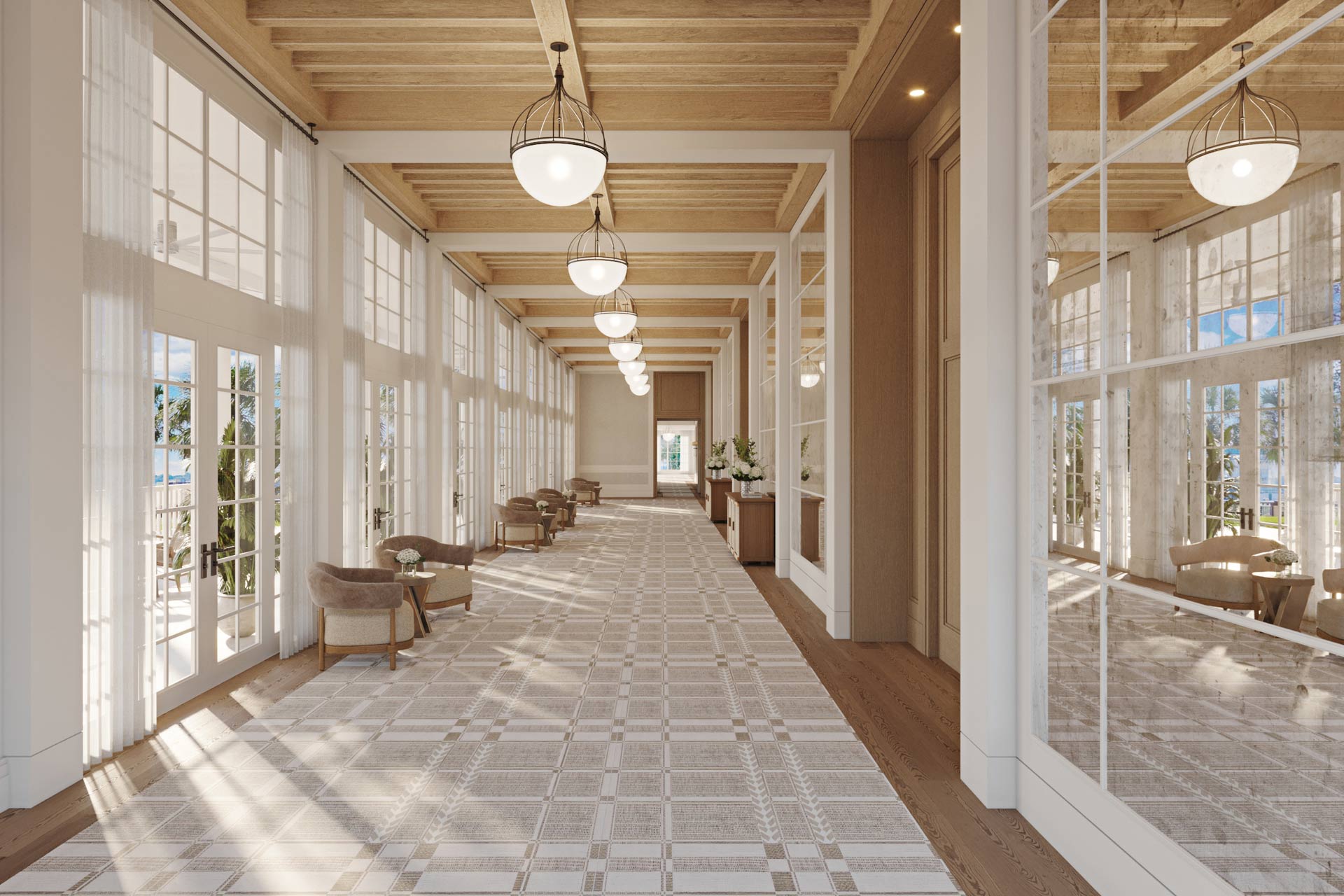
Narrative integrity also informed the design of the new development, The Cooper, Charleston, a new waterfront hotel shaped by the regional character and coastal heritage. Wide-plank light oak floors, painted shiplap, and a palette inspired by marsh grasses and tidal waters evoke the quiet elegance of a refined Southern home. As Principal Jun Chun notes, “Regional and historic elements are very important – we research before even writing the narratives.” This disciplined research ensures the interiors feel genuinely tied to Charleston’s identity – its waterways, its craftsmanship traditions, and the sociable, slow rhythm that defines the city.
For Champalimaud Design, contemporary luxury is shaped by context – by the landscapes, histories, and lived stories that give a project its identity. Heritage functions as an active framework, shaping spaces with depth and purpose. Grounded in this approach, the studio’s work achieves a balance of specificity and longevity, resulting in interiors that remain compelling well into the future.