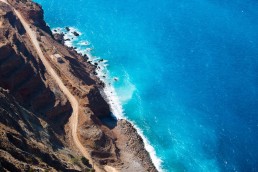
The Revery, a member of Leading Hotels of The World, has just opened near the pink-sand shores of Elafonisi Beach, in the wild surrounds of southwestern Chania in Crete.
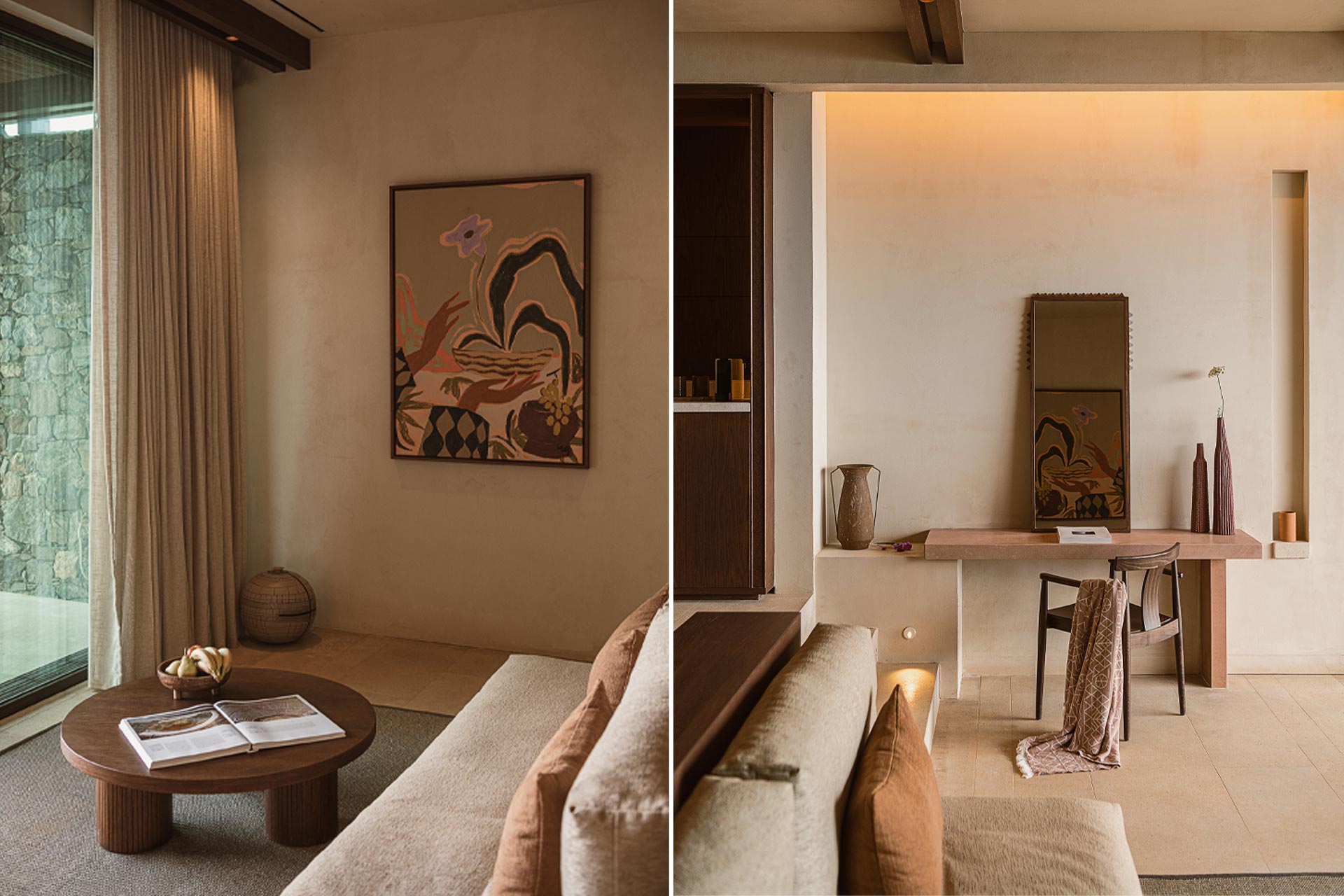
Designed by local architect Eirini Apostolaki of Archtify, and with interiors by Athens-based Sophia Vantaraki of ThingK, The Revery reflects a modern elevated interpretation of Cretan minimalism, blending canvas, timber and stone with an elemental palette inspired by the region’s wild flora.
The spaces will embody a sense of raw luxury and calm, with a pared back aesthetic that blurs the boundaries between indoors and outdoors. Textures reflecting local heritage, including woven reed, natural linens and clay ceramics, will add depth and authenticity throughout.
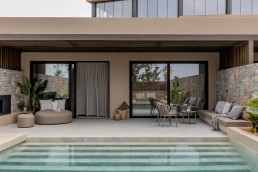
Introducing a new hospitality concept for the region, 24-key property offers two distinct accommodation styles. The Revery Wild, eco‑luxury tented pavilions, start from 40m2 of interior space and are positioned close to the shore, fully embracing the surrounding nature with spacious decks and hydrotherapy pools.
Meanwhile, The Revery Suites are carved into the cliffs and start from 53m2 , offering quiet architectural elegance and large outdoor patios, each featuring a private heated pool. Both options provide uninterrupted sea and sunset views.
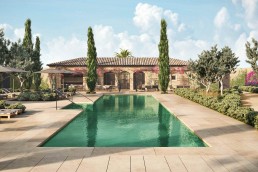
The Revery Villa will be the property’s most elevated accommodation option, offering 285m2 of tranquil indoor-outdoor living space across two floors. Accommodating up to six guests, the villa features two spacious bedrooms with en‑suite bathrooms, a light‑filled living area with two sofa beds, a fully equipped kitchen and a generous 137m2 terrace with a barbecue, outdoor dining area and panoramic heated infinity pool.
Created with sustainability at its core, The Revery follows a low‑impact design philosophy, incorporating natural ventilation, solar energy and eco‑conscious materials, including stonework shaped from rocks sourced directly from the site.
Before construction began, native flora was carefully replanted across the property and all pathways were designed to follow the land’s natural contours, ensuring no disruption to the coastline. Additional ecological measures include water saving systems, biological wastewater treatment and a low pollution lighting scheme.